
Mindfulness
Biofeedback, including Galvanic Skin Response (GSR), can enhance mindfulness practice in many ways:

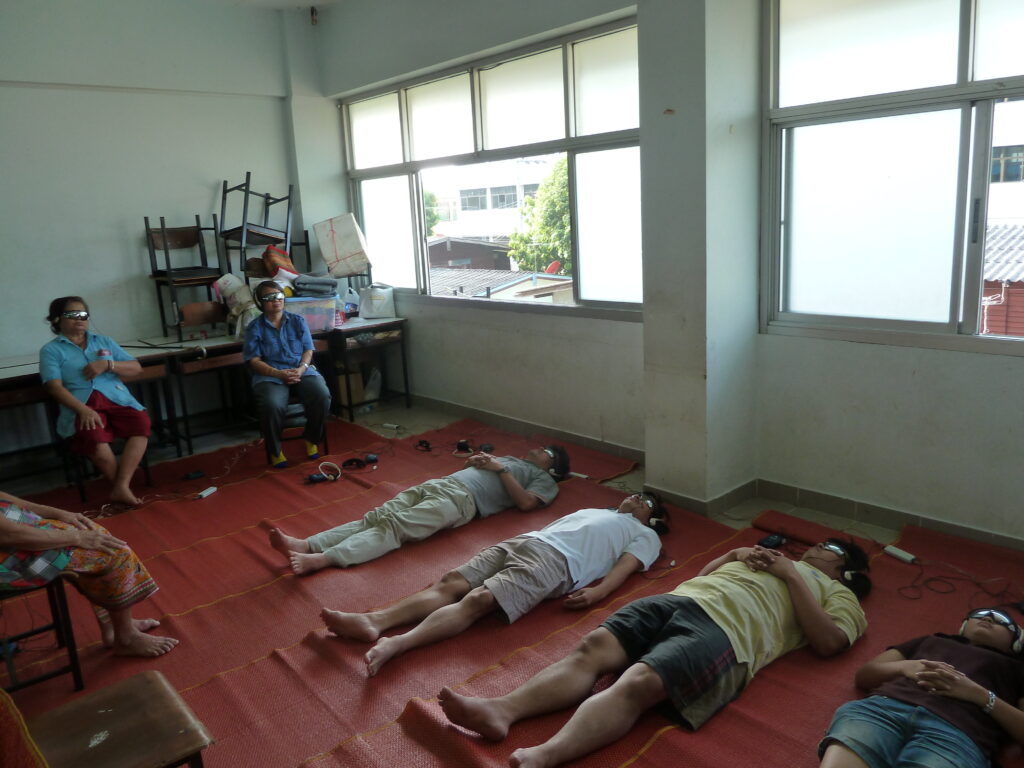
Increased self-awareness: GSR biofeedback provides real-time information about changes in the electrical conductivity of the skin, which is influenced by sweat gland activity. By observing GSR readings (in a playful and artistic way), individuals can become more aware of their physiological responses, including moments of stress, relaxation, or emotional arousal.
This heightened self-awareness allows individuals to recognize their body’s reactions and patterns, providing valuable insights into their state of mind and helping them develop a deeper understanding of the mind-body connection.
- Increased self-awareness: GSR biofeedback provides real-time information about changes in the electrical conductivity of the skin, which is influenced by sweat gland activity. By observing GSR readings, individuals can become more aware of their physiological responses, including moments of stress, relaxation, or emotional arousal. This heightened self-awareness allows individuals to recognize their body’s reactions and patterns, providing valuable insights into their state of mind and helping them develop a deeper understanding of the mind-body connection.
- Anchoring attention: Mindfulness involves cultivating present-moment awareness and redirecting attention to the present experience. GSR biofeedback can serve as an anchor for attention during mindfulness practice. By focusing on the subtle changes in GSR readings, individuals can ground their attention in the present moment, fostering a sense of presence and supporting the development of focused attention skills.
- Feedback on relaxation and stress levels: GSR biofeedback can provide feedback on the body’s relaxation and stress levels. When individuals engage in mindfulness practices, they can observe how their GSR readings change in response to different techniques or situations. This feedback can help individuals understand which mindfulness practices are most effective for them in promoting relaxation and reducing stress. It also allows them to track their progress over time and make adjustments to their practice as needed.
- Stress reduction and self-regulation: Mindfulness is known to reduce stress and promote self-regulation. By integrating GSR biofeedback into mindfulness practice, individuals can gain a greater understanding of how their thoughts, emotions, and behaviors influence their physiological responses. They can observe how stress manifests in their body and use mindfulness techniques to regulate their stress response. GSR biofeedback serves as a tangible and objective measure of their progress in self-regulation, providing motivation and reinforcement.
- Body-centered awareness: Mindfulness emphasizes bringing attention and awareness to bodily sensations. GSR biofeedback supports this body-centered awareness by providing real-time feedback on the physiological changes occurring in the body. This feedback can deepen individuals’ connection with their physical experiences, helping them cultivate a more embodied and somatic awareness during mindfulness practice.
- Enhanced relaxation response: GSR biofeedback can facilitate the activation of the relaxation response. By observing GSR readings and consciously engaging in relaxation techniques, individuals can learn to modulate their physiological responses and activate the body’s relaxation response. This can lead to a greater sense of calm, relaxation, and overall well-being during mindfulness practice.
- Self-observation and insight: GSR biofeedback allows individuals to observe their physiological responses in a non-judgmental and objective manner. This observation cultivates a sense of curiosity and openness, enabling individuals to gain insights into the interplay between their thoughts, emotions, and bodily sensations. The information provided by GSR biofeedback can deepen self-reflection, enhance introspection, and promote personal growth.
See also related applications for:


Supported by: