
Education
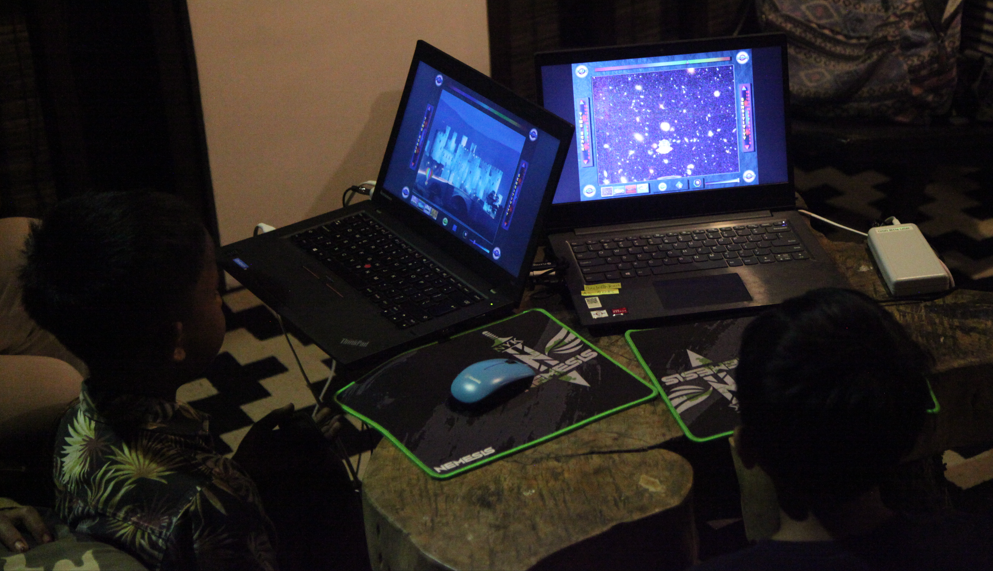
Photo: Balinese children training focus and relaxation.
GSR network group training program MindPeace, incorporating loop reinforcement through sound, light, and vibrations stimulation (LSV), have significant potential in education for several reasons:
Enhanced engagement and attention: LSV stimulation captivates students’ attention and enhances their engagement in the learning process. The sensory cues provided through sound, light, and vibrations create a multisensory learning experience that can help students stay focused, reduce distractions, and improve information retention.
Regulation of emotional states: LSV can be designed to elicit specific emotional responses, such as relaxation or increased alertness. By incorporating these sensory cues into educational settings, educators can help regulate students’ emotional states, creating a conducive environment for learning. For example, calming LSV can be used to reduce anxiety before exams or high-stress activities, while energizing LSV can be used to increase motivation and concentration.
Multi-sensory learning: LSV combines multiple sensory modalities simultaneously, stimulating different senses such as auditory, visual, and tactile. This multi-sensory approach enhances the learning experience by activating multiple neural pathways and facilitating better information processing and retention. It caters to different learning styles and can improve comprehension and memory recall.
Experiential learning and application: LSV can create experiential learning opportunities where students actively engage with the sensory stimuli. For instance, they can explore the impact of different sounds, lights, and vibrations on their own emotional and physiological responses. This hands-on approach encourages critical thinking, self-reflection, and application of knowledge in real-time experiences.
Emotional regulation and well-being: Incorporating LSV in education promotes emotional regulation and well-being among students. The loop reinforcement aspect of MindPeace strengthens the association between sensory cues and emotional states, empowering students to develop self-regulation skills. This can contribute to a positive classroom climate, reduce stress and anxiety, and enhance overall well-being.
Collaboration and social connection: GSR network group training programs encourage collaboration and social connection among participants. In educational settings, this fosters a sense of community, teamwork, and empathy among students. Sharing the LSV experience can create a supportive and inclusive learning environment, where students learn from each other, exchange ideas, and develop social-emotional skills.
Supported by: